



Where spreadsheets and phone calls stop working
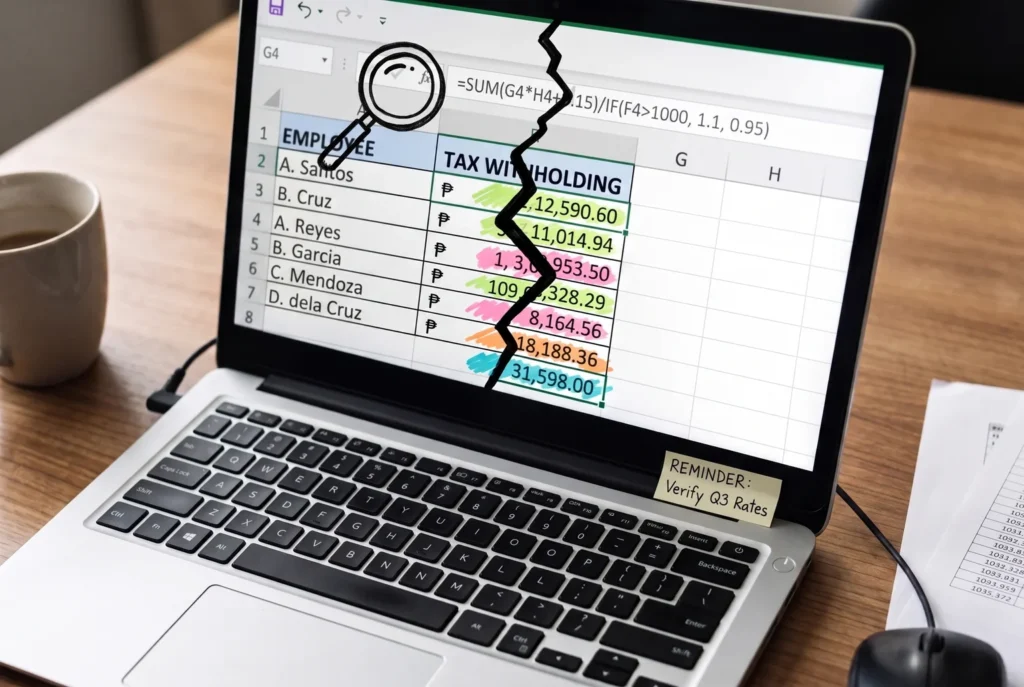
A growing business eventually outgrows the systems that got it started. Many Philippine logistics operators and SMEs still coordinate deliveries through spreadsheets, phone calls, paper records, and disconnected software, an approach that works fine when there are five trucks and a dozen daily deliveries. It breaks down fast once volume climbs.
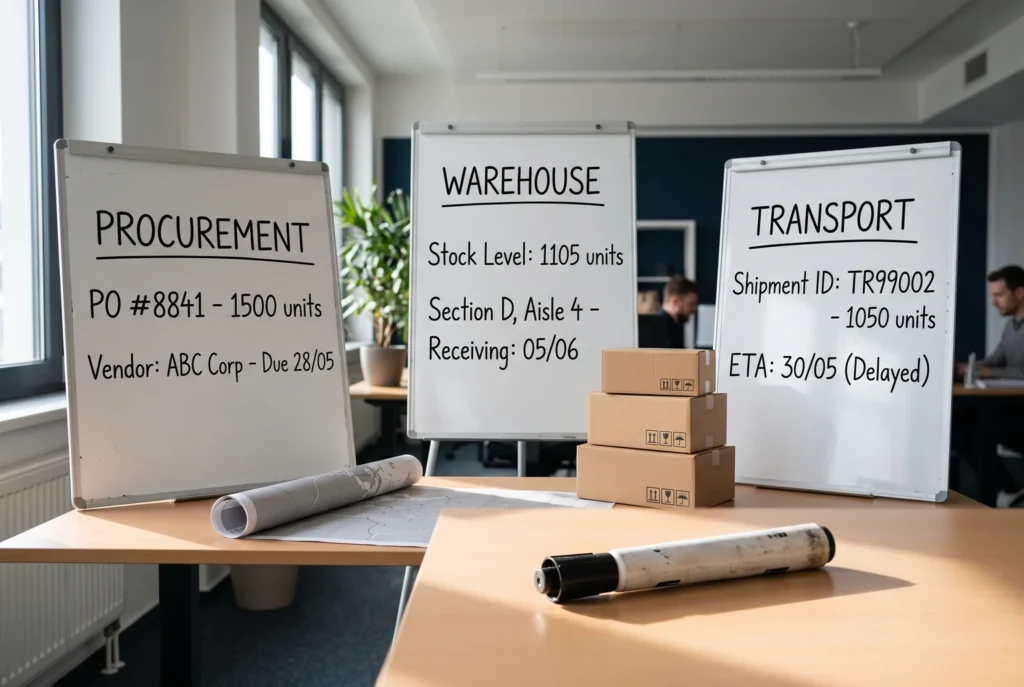
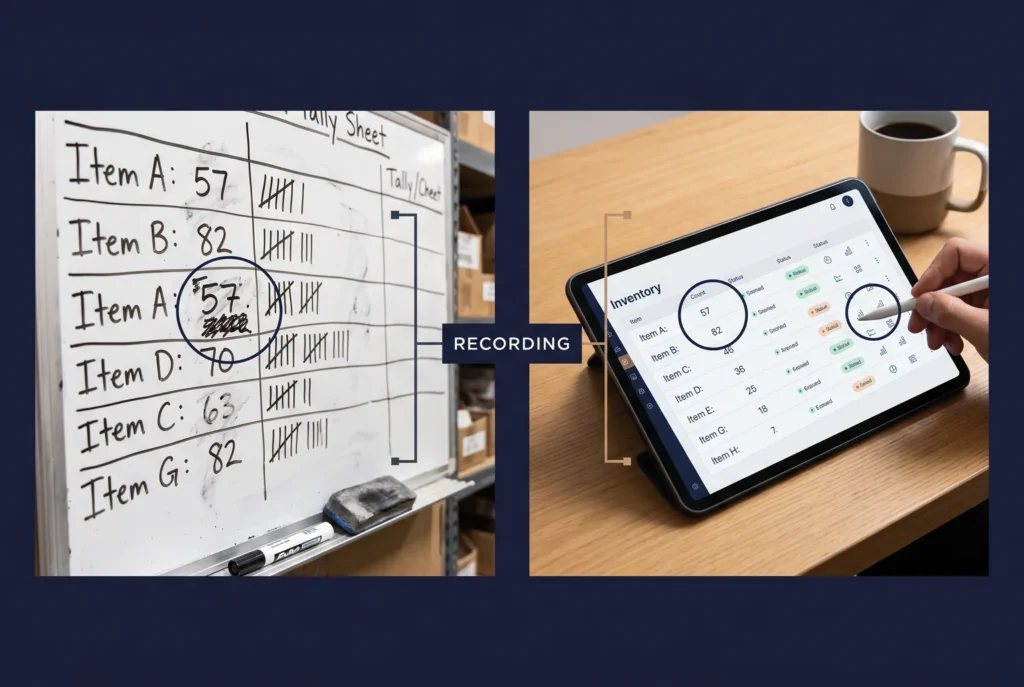
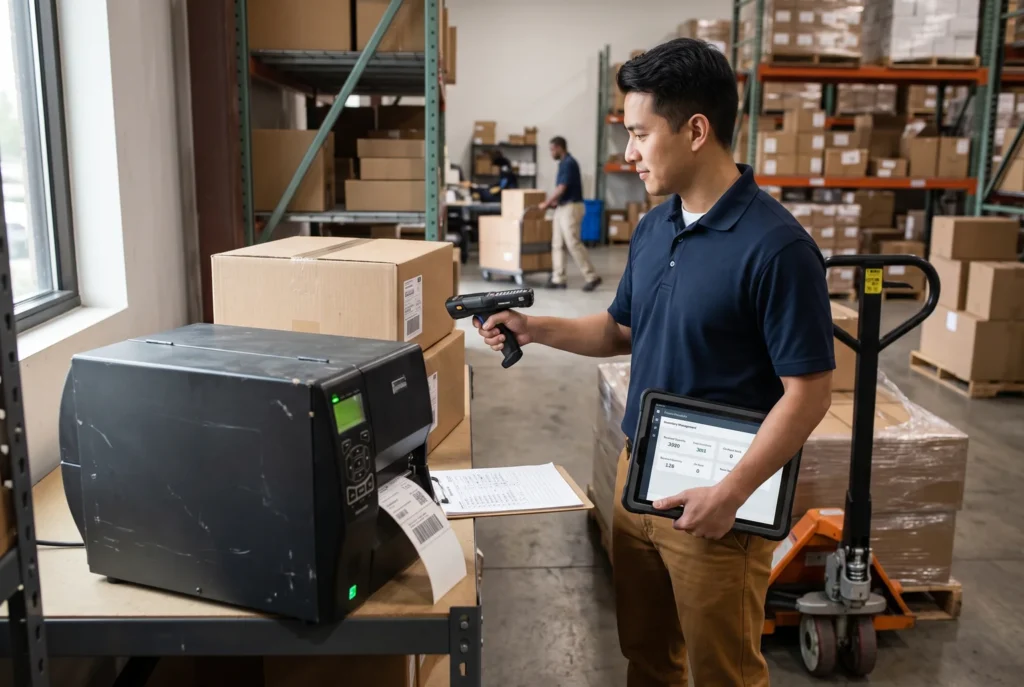
Manual stock handling often produces gaps between what’s physically on the shelf and what’s recorded in the system, leading to overselling, missed pickups, and repeated warehouse recounts, according to Ninja Van’s research on scaling fulfillment operations. Many logistics firms in the Philippines still run on manual inventory and order management, a practice that the Triple i Consulting analysis links to slower operations and fragmented supply chains. None of this shows up as a single dramatic failure. It shows up as a missed delivery window here, a driver nobody can reach there, a stock count that doesn’t match what the warehouse team just told the sales team on the phone.

Reliance on manual tasks tends to raise labor costs, slow down processes, introduce errors, and make it harder to scale or make decisions based on real data, per RichestPH’s reporting on Filipino businesses. For a business adding new routes, new warehouses, or new client accounts, that friction compounds.
This guide looks at what a logistics management system actually does, which features matter most as a business scales, and how Quadrant Alpha’s LMS addresses the coordination gaps that manual processes tend to create.
What a logistics management system actually does
A logistics management system is software that helps a business plan, track, and coordinate how goods move, from the moment an order comes in to the moment it lands at a customer’s door. In practice, that means one platform handling fleet and driver assignments, stock levels, delivery status, and exceptions like delays or failed drop-offs, instead of five different tools (or five different phone calls) trying to do the same job separately.
There’s no single order count where a business suddenly “needs” one. But the signs tend to cluster around a few points: managing multiple vehicles and drivers across more than one location, coordinating with several carriers, or seeing volume spikes that manual tracking can’t absorb. Some analysts point to roughly 15 to 20 shipments a week as a rough threshold where transportation software starts paying for itself, while ecommerce operations often hit a wall somewhere between 200 and 500 daily orders, when spreadsheets simply can’t keep pace with what’s moving.
For a Philippine business running deliveries across Metro Manila and a couple of provincial hubs, that wall shows up as double-booked trucks, drivers idle in one area while another route falls behind, and warehouse staff giving customers different answers about the same shipment. Past a certain point, a logistics system isn’t an efficiency upgrade. It’s what keeps costs, errors, and delays from growing faster than the business itself.
The six capabilities that actually solve the problem
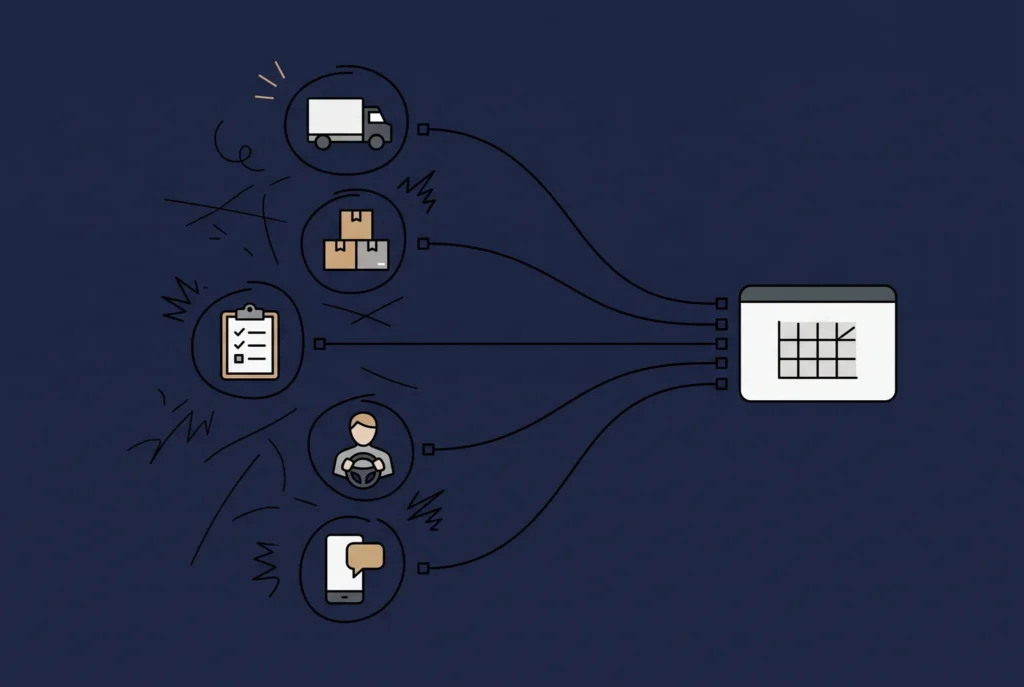
Not every logistics platform is built the same way, and Philippine businesses shopping for one should look past generic dashboards toward features that address the specific breakdowns described above. Quadrant Alpha’s logistics management system is built around six core capabilities.
- Truck and driver management. Assign vehicles and drivers to routes from one screen instead of juggling group chats and whiteboards, so dispatchers can see who’s available and who’s already on the road before double-booking a truck.
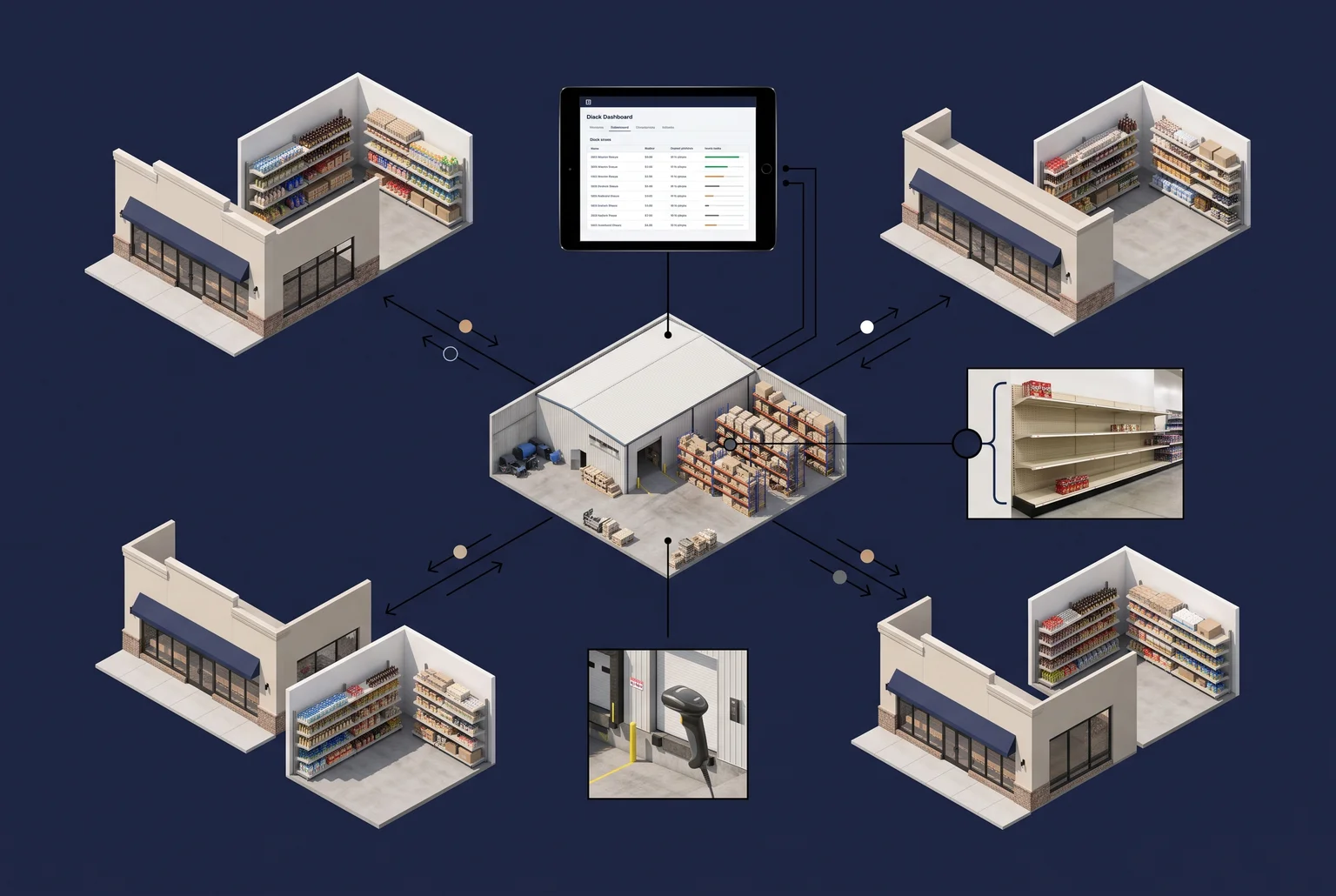
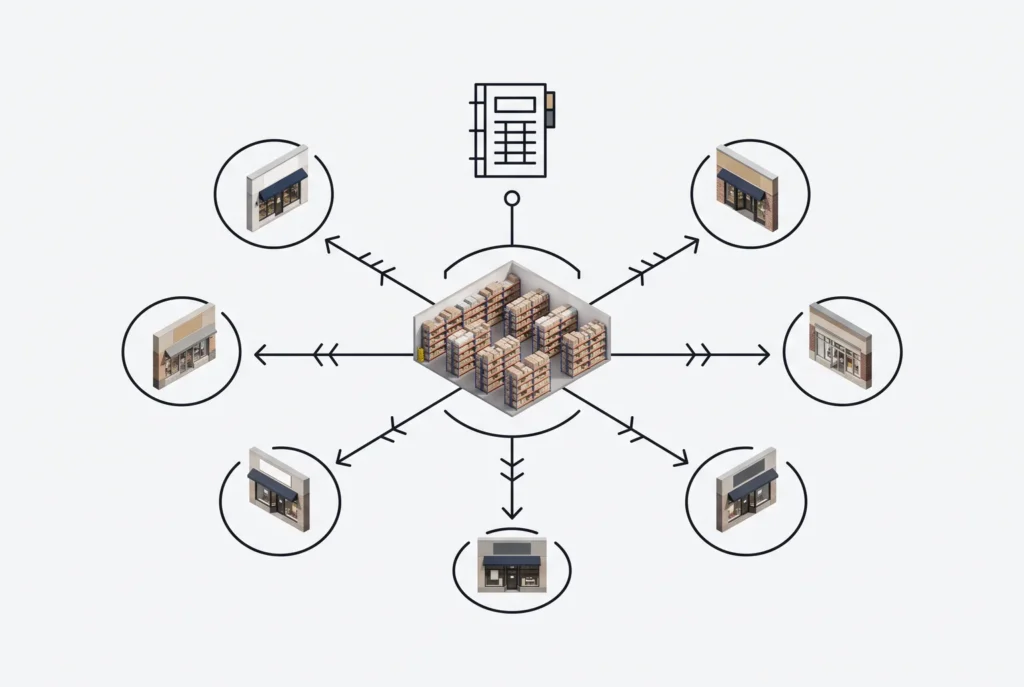
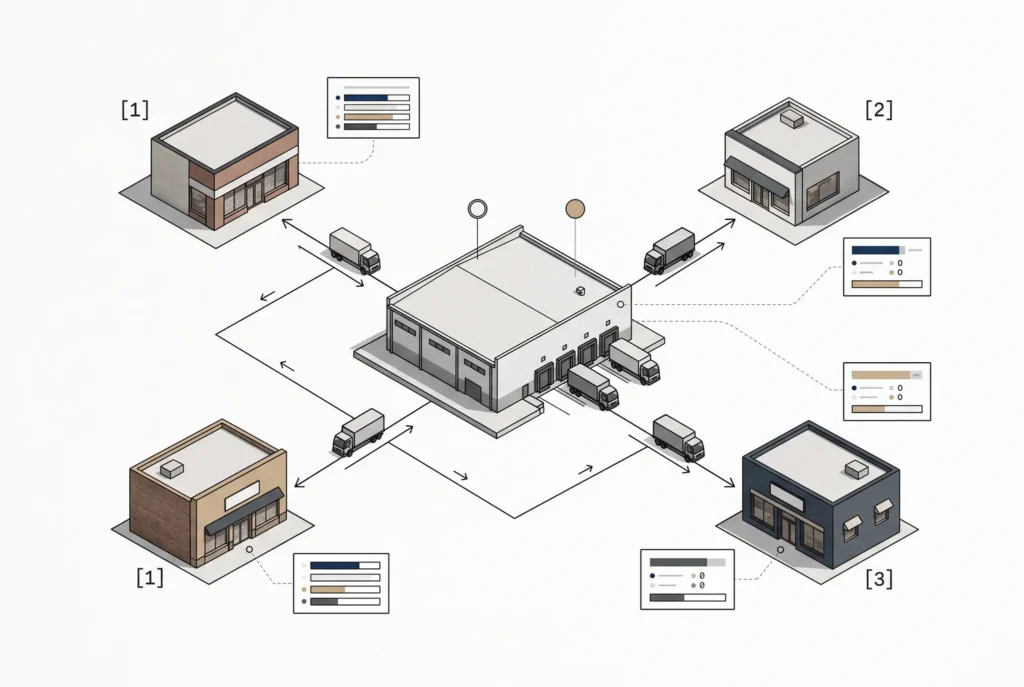
- Multi-location data centralization. Businesses running a Metro Manila hub alongside provincial branches get one shared view of logistics data instead of separate records per site, closing the gap that causes conflicting answers to the same customer question.
- Delivery status overview. A centralized view of shipment and delivery statuses means a coordinator doesn’t need to call three drivers to figure out what’s late and what’s already delivered.
- Multi-level approval scheme. Logistics-related requests and transactions route through defined approval steps, which keeps decisions accountable as more people touch the process.
- Real-time stock monitoring after delivery. Stock levels update as deliveries happen, so warehouse and sales teams are working from the same numbers instead of reconciling counts at the end of the day.
- Delivery history tracking. Past delivery records stay accessible for tracking, auditing, or performance review, useful for resolving disputes or spotting a pattern of late routes.

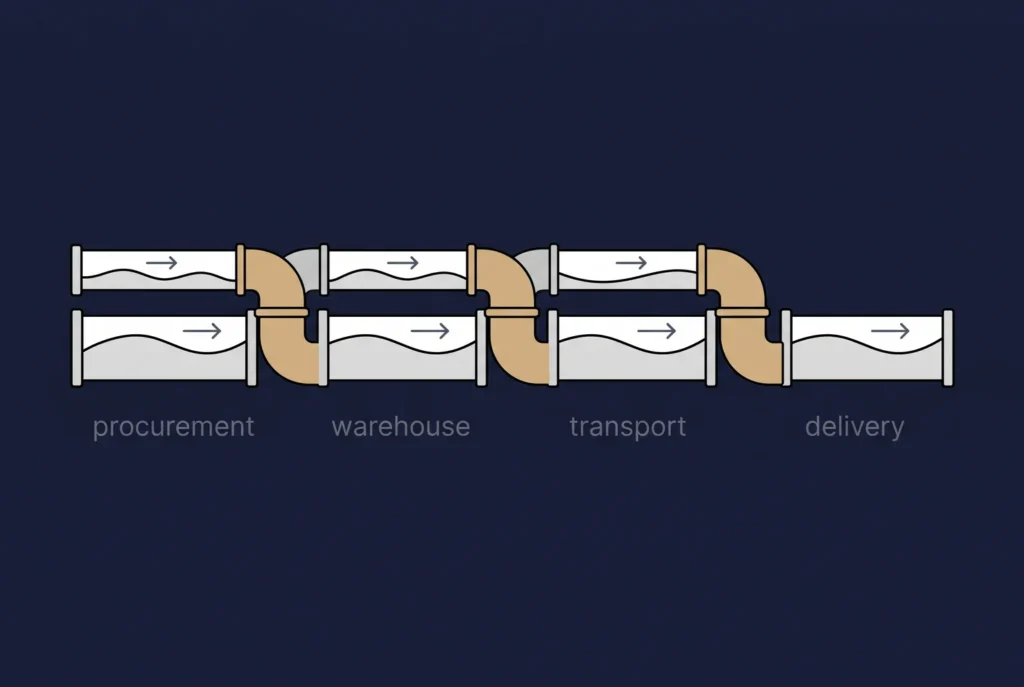
Taken together, these features map onto what Quadrant Alpha describes as end-to-end visibility, covering the movement of goods from order placement through final delivery, including tracking, route planning, and communication support, according to the company’s solutions page. That’s a wider claim than a feature list captures on its own, but it lines up with what the six functions do in practice: replace scattered check-ins with one continuously updated record.
One caveat worth naming: publicly available materials don’t spell out granular mechanics like driver onboarding steps, specific approval thresholds, or performance scorecards. Businesses with unusually complex approval chains or fleet compliance requirements should ask directly how configurable these features are for their setup rather than assume a one-size-fits-all workflow.
What better logistics coordination actually earns you
Each feature above translates into a specific outcome, not just a smoother workflow.
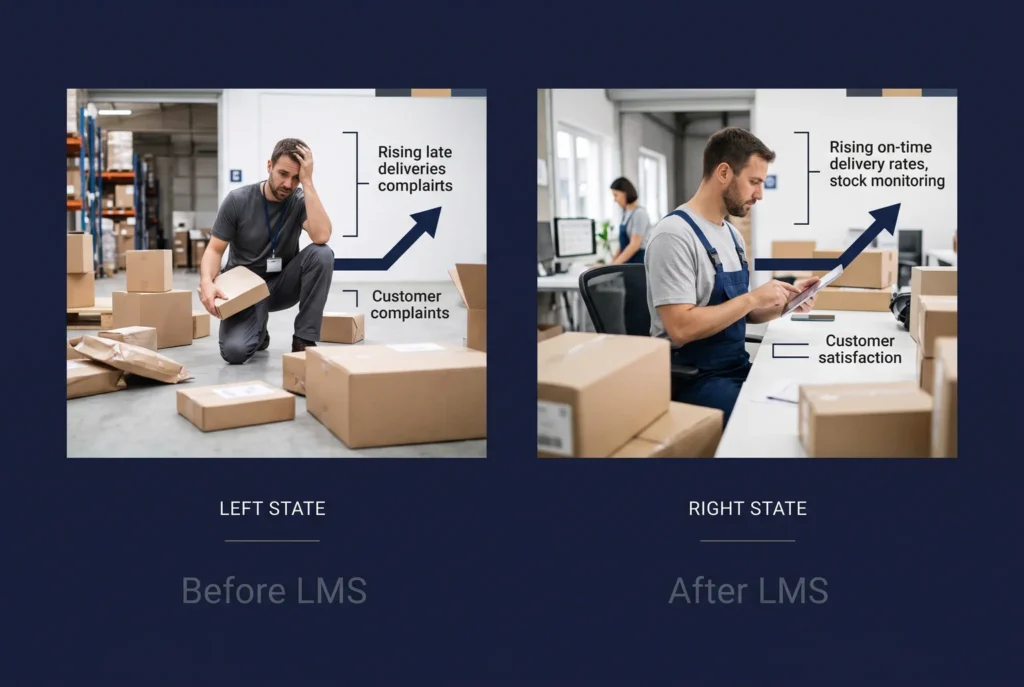
Fewer delivery delays. With truck and driver management replacing group chats and whiteboards, dispatchers catch scheduling conflicts before a truck sits idle or a route gets double-booked. Centralized coordination across planning, warehousing, and transport is consistently linked to fewer delays and errors, since problems get caught at the source instead of after a customer complains.
Stronger route and shipment visibility. The delivery status overview means no one has to call three drivers to piece together what’s already out and what’s stuck. Businesses with real-time shipment visibility tend to spot disruptions earlier and respond before they turn into missed windows.
Lower logistics costs. Automated coordination cuts down on the rush jobs and emergency fixes that inflate transport budgets, and it reduces the manual errors that eat staff time. Route planning and automated load assignment, specifically, are tied to shorter lead times and better on-time performance at lower transport cost.
Consistent service quality. Multi-level approvals keep decisions accountable even as more people touch a shipment, which matters for Philippine manufacturers where delivery-in-full-and-on-time and complaint rates are flagged as the metrics that separate reliable operators from the rest, according to a Department of Trade and Industry assessment.
Higher customer satisfaction. Timeliness and order accuracy show up repeatedly as drivers of customer satisfaction in logistics service quality research. Delivery history tracking and real-time stock monitoring give teams the data to back up a promised delivery date instead of guessing.
An operations partner that already understands Philippine business systems
Quadrant Alpha built its Logistics Management System with the same six features covered above (truck and driver management, multi-location centralization, delivery status overview, multi-level approval, real-time stock monitoring, and delivery history) working together on one platform instead of six separate tools bolted together after the fact.
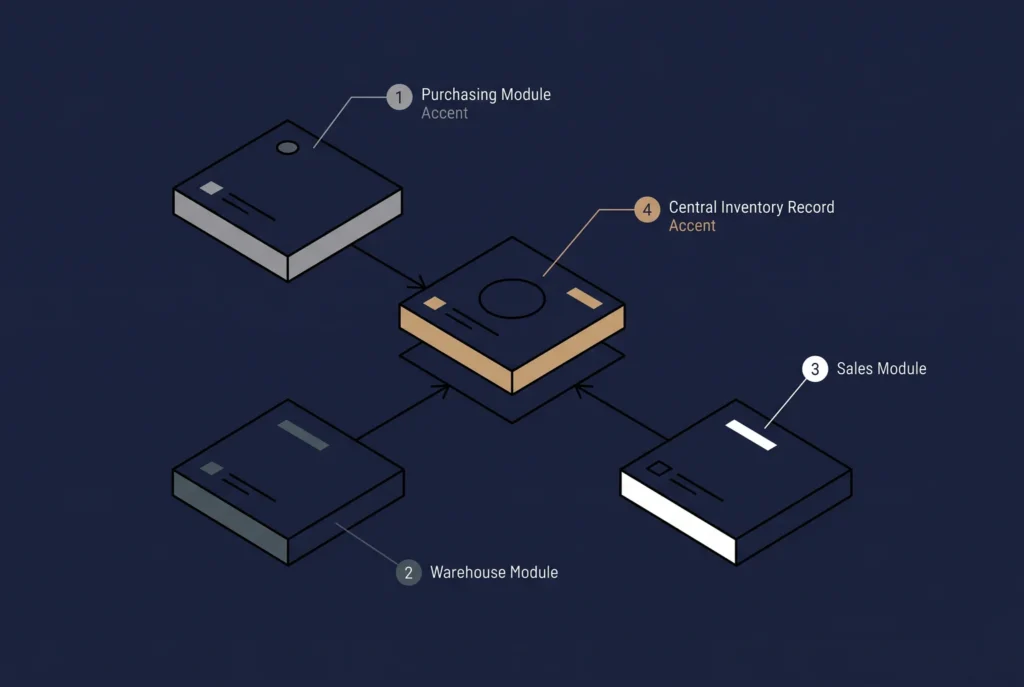
That matters for a growing business because logistics rarely sits in isolation. A delivery delay shows up in inventory counts. A missed approval step shows up in customer complaints. Quadrant Alpha’s other systems, including its warehouse management platform and its inventory, purchasing, and sales system, are built on the same philosophy of connecting operational data instead of scattering it across departments. A retail or manufacturing client already using one of these tools gains an LMS that fits into what they’ve already got, rather than a bolt-on that creates a new silo.
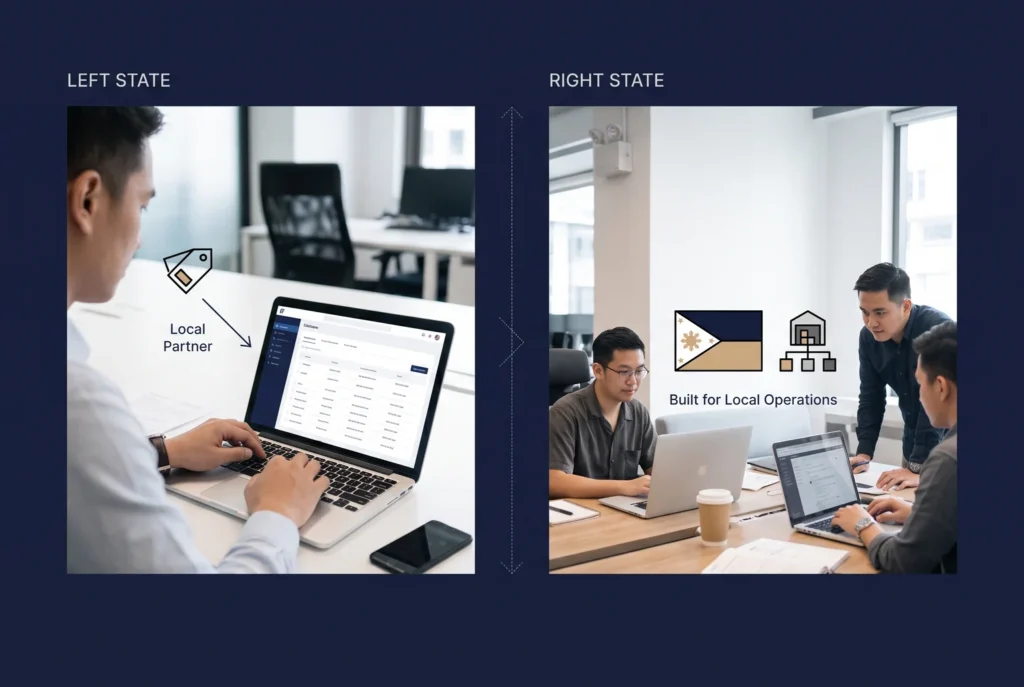
The company also positions itself less as a vendor and more as what it calls a collaborative partner, tailoring configuration to how a specific business actually ships goods rather than forcing a rigid template. For a mid-sized Philippine distributor running deliveries across Metro Manila and a couple of provincial hubs, that means the approval chains, stock alerts, and driver assignments can be set up to match their existing routes and staffing, not a generic workflow built for a different market.
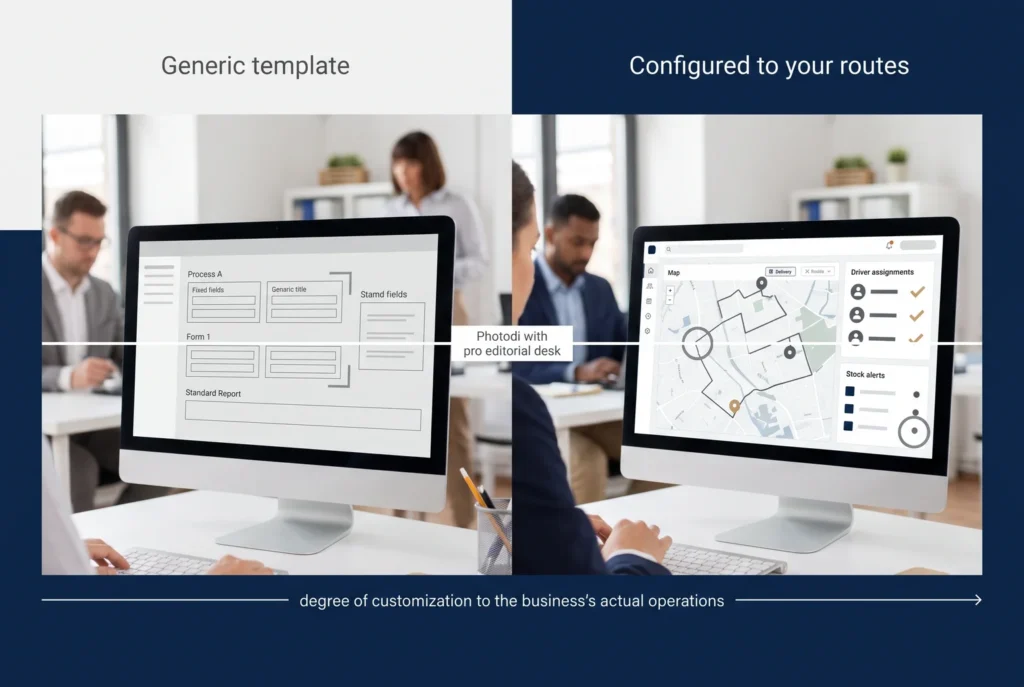
That combination, a proven feature set plus a willingness to configure around a client’s actual operation, is what separates a logistics system a business adopts from one it actually keeps using a year later.
See the system in action
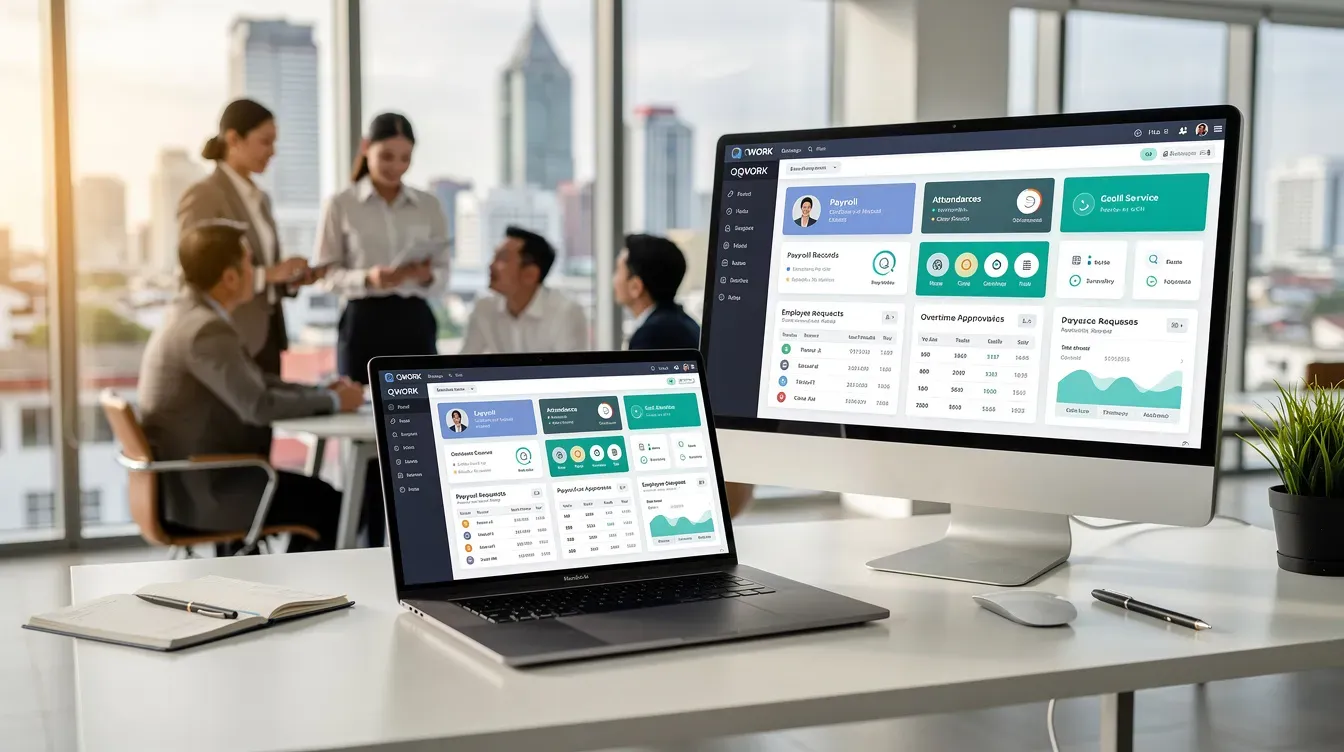
The features and benefits above are easier to judge on a live dashboard than on a page. Quadrant Alpha’s request-demo page lets prospects walk through the actual Logistics Management System, including truck and driver management, multi-location centralization, delivery status tracking, approval workflows, stock monitoring, and delivery history, configured around a real delivery scenario.
Reach the team directly at [email protected], by phone at +632 8813-7616, through the website contact form, or in person at the 10th Floor, Legaspi Suites, 178 Salcedo Street, Legaspi Village, Makati City.
If delayed deliveries, scattered stock counts, or approval bottlenecks are already slowing your business down, book a demo of Quadrant Alpha’s Logistics Management System and see what a connected setup looks like for your own operation.